HGH
The foundational growth hormone — 191 amino acid recombinant form, the most-studied hormone in endocrinology. 500+ peer-reviewed studies. 3-lab independent COA on every batch.
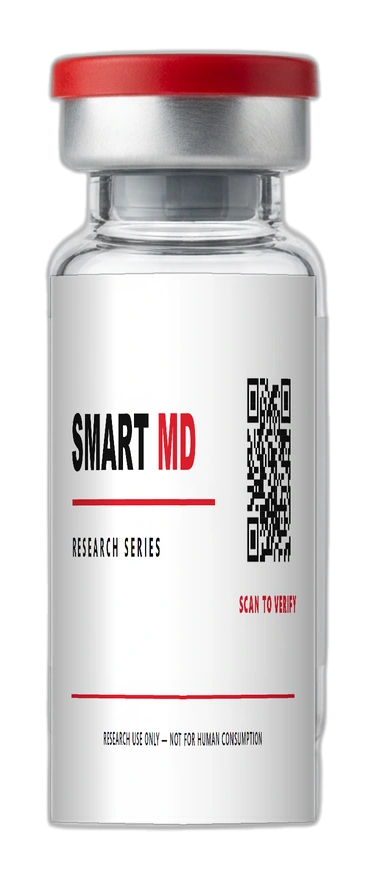
What is HGH?
Human Growth Hormone (HGH), also known as somatotropin, is a 191-amino-acid single-chain polypeptide produced by somatotropic cells of the anterior pituitary gland. It is the most extensively studied hormone in endocrinology, with over 500 peer-reviewed publications spanning more than five decades of research.
Recombinant HGH (rHGH) is produced using recombinant DNA technology to create a bioidentical 191-amino-acid protein that is structurally identical to endogenous human growth hormone. Research applications focus on growth hormone pathway signaling, body composition models, bone density studies, and cell regeneration mechanisms. HGH acts both directly on target tissues and indirectly through stimulation of insulin-like growth factor 1 (IGF-1) production in the liver.
Published research areas
Growth hormone pathway research
HGH is the foundational compound for studying the GH/IGF-1 axis — one of the most important signaling pathways in endocrinology. Research examines receptor binding, signal transduction, and downstream effects on gene expression and protein synthesis.
Body composition models
Extensive research examines HGH's effects on lean mass, adipose tissue distribution, and metabolic rate. Studies explore both the direct lipolytic effects and indirect anabolic signaling through IGF-1 in various preclinical and clinical research contexts.
Bone density
HGH plays a critical role in bone metabolism research. Studies examine its effects on osteoblast activity, calcium absorption, bone mineral density, and skeletal growth — particularly relevant in growth hormone deficiency models and aging research.
Cell regeneration
Research explores HGH's role in cellular repair and regeneration, including wound healing models, tissue repair, and organ regeneration studies. Its effects on cell proliferation and differentiation are central to regenerative medicine research.
Available formulations at SMART MD
SMART MD quality standard for HGH
- HPLC purity analysis — identity and purity confirmed via high-performance liquid chromatography.
- Mass spectrometry — molecular weight confirmation at ~22,124 Da. Verifies correct 191-amino-acid recombinant structure.
- LAL endotoxin assay — <5 EU/mg. Bacterial endotoxin safety verification.
- 3 independent U.S. laboratories — rotating panel. No single lab relationship can compromise verification integrity.
- Lot-specific COA — publicly verifiable at smartmdpeptides.com/verify before you order.
Frequently paired with HGH
HGH FAQ
Where can I buy research-grade HGH?+
Research-grade recombinant HGH (191 amino acids) with 3-lab COA verification is available at SMART MD Peptides in a 10iu formulation. Every batch is publicly verifiable at smartmdpeptides.com/verify.
What is the difference between 191aa and 192aa HGH?+
191-amino-acid HGH is bioidentical to endogenous human growth hormone. Some older manufacturing processes produced a 192-amino-acid variant with an extra methionine residue. SMART MD exclusively stocks 191aa recombinant HGH — the bioidentical form used in modern research.
What is the purity of SMART MD's HGH?+
Each batch is independently verified by 3 U.S. laboratories — HPLC for purity, mass spectrometry for molecular weight confirmation at ~22,124 Da, and LAL endotoxin assay for safety.
How should HGH be stored?+
Lyophilized (unreconstituted) HGH should be stored at 2-8°C (refrigerated), protected from light. Once reconstituted, store at 2-8°C and use within the timeframe specified on your lot-specific documentation. Avoid freezing reconstituted HGH.
Ready to verify?
Check the COA before you buy. Compare it against any other supplier's documentation.