TB-500
Found in every human cell — synthetic fragment for targeted research. 50+ preclinical studies. 3-lab independent COA on every batch.
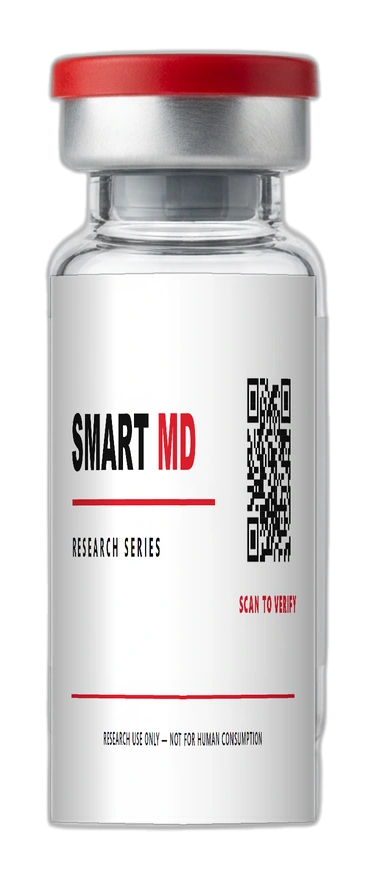
What is TB-500?
TB-500 is a synthetic fragment of Thymosin Beta 4 (TB4), a naturally occurring 43-amino-acid peptide found in virtually every human and animal cell. Thymosin Beta 4 plays a critical role in actin sequestration, cell migration, and tissue repair signaling. TB-500 replicates the active region of the full-length protein for targeted research applications.
With a molecular weight of approximately 4,963 Da, TB-500 has been the subject of 50+ preclinical studies examining its role in wound repair, tissue regeneration, anti-inflammatory signaling, cardiac tissue models, and hair follicle signaling pathways.
Published preclinical research areas
Cell migration & wound repair
TB-500 is studied for its role in promoting cell migration to sites of injury. Research examines its effects on keratinocyte and endothelial cell movement, critical steps in wound closure and vascular repair models.
Tissue regeneration
Preclinical literature examines TB-500 in models of muscle, tendon, and ligament tissue regeneration. Its actin-binding properties are hypothesized to facilitate cytoskeletal reorganization during tissue repair processes.
Anti-inflammatory signaling
Published research explores TB-500's effects on inflammatory cytokine modulation and NF-kB pathway regulation. Studies suggest a role in reducing inflammatory responses in tissue injury models.
Cardiac & hair follicle models
Emerging research examines TB-500 in cardiac tissue repair models following ischemic events, as well as hair follicle stem cell activation and anagen phase signaling in dermatological research contexts.
Available formulations at SMART MD
SMART MD quality standard for TB-500
- HPLC purity analysis — identity and purity confirmed via high-performance liquid chromatography.
- Mass spectrometry — molecular weight confirmation at ~4,963 Da. Verifies correct 43-amino-acid sequence.
- LAL endotoxin assay — <5 EU/mg. Bacterial endotoxin safety verification.
- 3 independent U.S. laboratories — rotating panel. No single lab relationship can compromise verification integrity.
- Lot-specific COA — publicly verifiable at smartmdpeptides.com/verify before you order.
TB-500 FAQ
What is TB-500?+
TB-500 is a synthetic fragment of Thymosin Beta 4 (TB4), a naturally occurring peptide found in virtually every human cell. It consists of 43 amino acids (molecular weight ~4,963 Da) and is studied for its roles in cell migration, wound repair, tissue regeneration, and anti-inflammatory signaling in preclinical models.
TB-500 vs Thymosin Beta 4 — what's the difference?+
Thymosin Beta 4 is the full-length naturally occurring protein. TB-500 is a synthetic fragment that replicates the active region responsible for actin-binding and cell migration signaling. Researchers use TB-500 for targeted study of specific TB4 mechanisms without the complexity of the full protein.
Can TB-500 and BPC-157 be combined in research?+
Yes — TB-500 and BPC-157 are frequently studied together in preclinical models. Their mechanisms are complementary: TB-500 promotes cell migration while BPC-157 supports angiogenesis and tissue-repair signaling. SMART MD offers the Wolverine Blend (BPC-157 5mg + TB-500 5mg) as a pre-combined research formulation with 150+ combined references.
Where can I buy research-grade TB-500?+
Research-grade TB-500 with 3-lab COA verification is available at SMART MD Peptides in 5mg and 10mg formulations, plus the Wolverine Blend (BPC-157 + TB-500). Every batch is independently verified for purity and publicly verifiable at smartmdpeptides.com/verify.
How should TB-500 be stored?+
Lyophilized (unreconstituted) TB-500 should be stored at -20°C, protected from light. Once reconstituted, store at 2-8°C and use within the timeframe specified on your lot-specific documentation.
Ready to verify?
Check the COA before you buy. Compare it against any other supplier's documentation.