GLP-3 RT
The only triple agonist — next generation beyond GLP-2TZ's dual approach. 30+ published studies (rapidly growing). 3-lab independent COA on every batch.
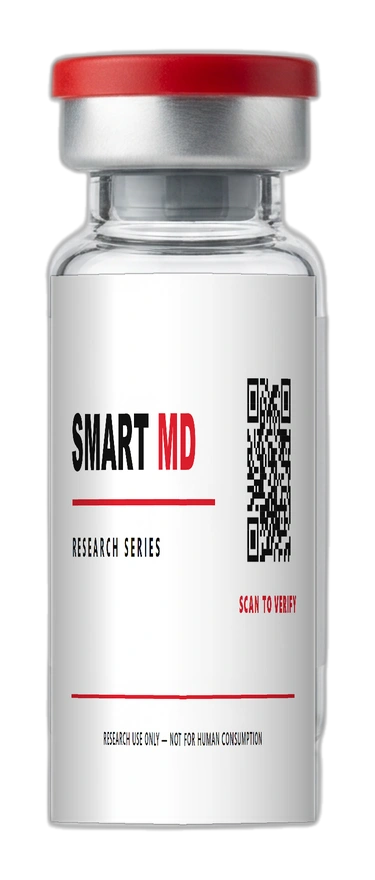
What is GLP-3 RT?
GLP-3 RT (LY3437943) is the world's first triple incretin receptor agonist, simultaneously activating GLP-1 (glucagon-like peptide-1), GIP (glucose-dependent insulinotropic polypeptide), and glucagon receptors. This three-pathway mechanism represents the next evolution beyond GLP-2TZ's dual GLP-1/GIP approach and GLP-1SM's single GLP-1 mechanism.
The addition of glucagon receptor agonism is theorized to enhance energy expenditure and hepatic lipid metabolism beyond what GLP-1 and GIP alone can achieve. Published preclinical research reports large effect sizes in metabolic models, making GLP-3 RT one of the most closely watched compounds in metabolic research.
Published research areas
Triple incretin/glucagon pathway activation
The defining feature of GLP-3 RT — simultaneous GLP-1, GIP, and glucagon receptor agonism in a single molecule. Research examines the synergistic effects of triple-pathway metabolic signaling.
Metabolic research
Published studies examine GLP-3 RT's effects on energy balance, appetite signaling, and metabolic rate through its unique triple-receptor mechanism. The glucagon component adds thermogenic signaling absent in dual agonists.
Glucose homeostasis
Research investigates GLP-3 RT's influence on insulin sensitivity, glucose disposal, and glycemic control through complementary GLP-1 and GIP pathway activation in metabolic disruption models.
Lipid metabolism
The glucagon receptor component is examined for its effects on hepatic lipid oxidation and triglyceride metabolism — a pathway not engaged by GLP-1-only or dual GLP-1/GIP compounds.
Available formulations at SMART MD
SMART MD quality standard for GLP-3 RT
- HPLC purity analysis — identity and purity confirmed via high-performance liquid chromatography.
- Mass spectrometry — molecular weight confirmation. Verifies correct peptide sequence and triple-agonist structure.
- LAL endotoxin assay — <5 EU/mg. Bacterial endotoxin safety verification.
- 3 independent U.S. laboratories — rotating panel. No single lab relationship can compromise verification integrity.
- Lot-specific COA — publicly verifiable at smartmdpeptides.com/verify before you reach out.
Questions about this compound?
A SMART rep can walk you through the formulations we document, the lot-specific COA for any batch, purity and endotoxin data, and storage and handling requirements for your protocol. Leave your name, email, phone, and what you're researching — a rep follows up within one business day. Research use only: we do not provide dosing, administration, or human-use guidance of any kind, and nothing we send is medical advice.
GLP-3 RT FAQ
What is GLP-3 RT?+
GLP-3 RT (LY3437943) is a triple incretin receptor agonist that simultaneously activates GLP-1, GIP, and glucagon receptors. It is a triple agonist — a newer class beyond GLP-2TZ's dual GLP-1/GIP approach and GLP-1SM's single GLP-1 mechanism.
How does GLP-3 RT compare to GLP-2TZ and GLP-1SM?+
GLP-1SM activates 1 receptor (GLP-1). GLP-2TZ activates 2 receptors (GLP-1 + GIP). GLP-3 RT activates 3 receptors (GLP-1 + GIP + Glucagon). The addition of glucagon receptor agonism adds thermogenic and hepatic lipid-oxidation pathways not engaged by single or dual agonists.
What is the triple agonist mechanism?+
Triple agonism means simultaneous activation of three metabolic receptors: GLP-1 (satiety, insulin secretion), GIP (incretin amplification, fat tissue signaling), and Glucagon (hepatic lipid oxidation, thermogenesis, energy expenditure). This multi-pathway approach produces complementary metabolic effects in research models.
What GLP-3 RT formulations does SMART MD document?+
Research-grade GLP-3 RT with 3-lab COA verification is available at SMART MD Peptides in 10mg and 20mg formulations. Every batch is publicly verifiable at smartmdpeptides.com/verify before purchase.
How should GLP-3 RT be stored?+
Lyophilized (unreconstituted) GLP-3 RT should be stored at -20°C, protected from light. Once reconstituted, store at 2-8°C and use within the timeframe specified on your lot-specific documentation.